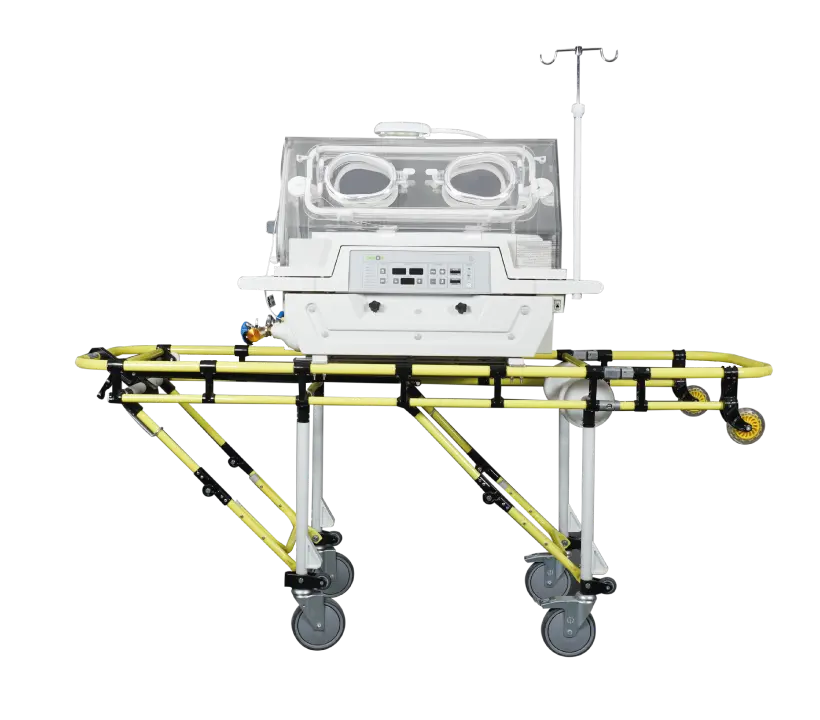
Thermoregulation
Thermal Stability and Life Support in Neonatal Care
NOVOS Advanced Thermal Management Technologies ensure perfect heat stabilization and an ideal microenvironment for newborns.
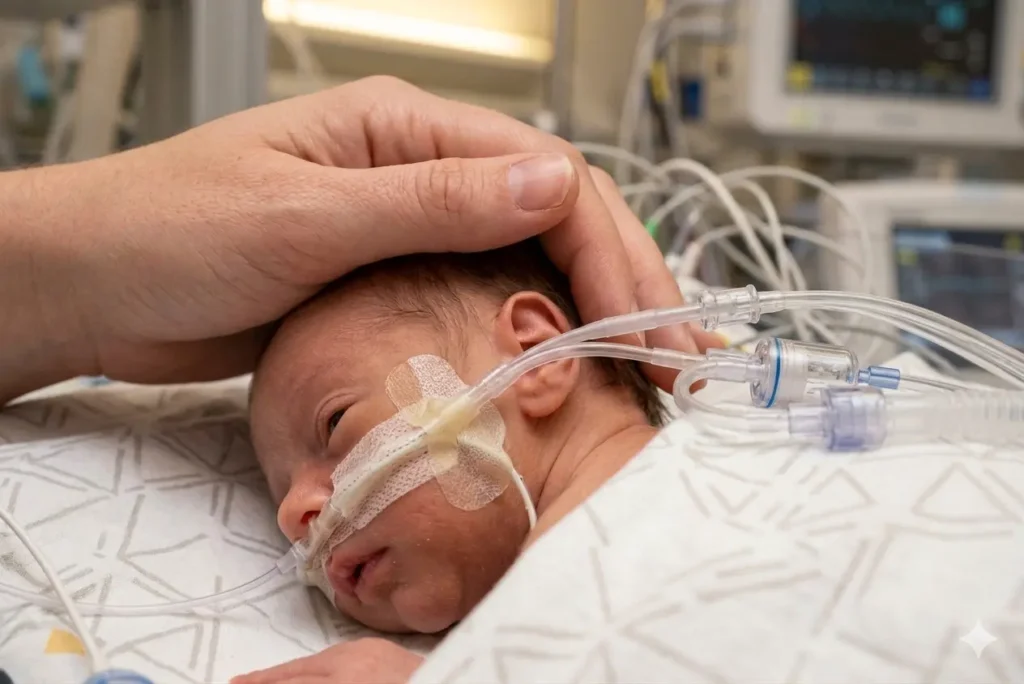
Maintaining thermoregulation in newborns, especially premature infants, is essential for healthy clinical adaptation. Rapid heat loss following birth can lead to life-threatening risks such as hypothermia, metabolic stress, and increased oxygen consumption. NOVOS Warming Therapy solutions precisely stabilize infants’ body temperature with a broad portfolio ranging from radiant heaters to incubators.
The advanced thermal management technologies we have designed for newborns prevent energy loss, preserve organ function, and provide the key to creating the ideal microenvironment for the most vulnerable lives.
Thermoregulation: Vital Balance in Neonatal Care
Warmth therapy regulates not only body temperature but also oxygen consumption, metabolic balance, and the chances of survival in newborns.
What Is Thermoregulation?
Thermoregulation is the process of maintaining a newborn’s body temperature within a narrow physiological range (36.5–37.5°C). Because this system is not yet fully developed in newborns, they are dependent on external support. For this reason, temperature management is not a matter of passive monitoring in the clinical setting, but rather a process that must be actively managed.
Why Is Thermoregulation Weak in Newborns?
Newborns are extremely prone to heat loss due to their physiological structure:
- Physiological Barriers: A thin, permeable skin structure, a lack of subcutaneous (under-the-skin) fat, and a high surface area-to-body weight ratio lead to rapid heat loss.
- Insufficient Control: Weakness in the neurogenic and physiological mechanisms that regulate blood flow limits heat production.
It is important to remember that heat loss in a newborn is not merely a matter of “feeling cold.” A baby experiencing heat loss rapidly depletes its vital reserves in an effort to maintain body temperature. This forced increase in metabolic activity directly affects mortality rates by leading to a risk of hypoxia, metabolic acidosis, and organ dysfunction.
The Gold Standard in Thermal Management: Neutral Thermal Environment (NTE)
The primary goal of warming therapy is not simply to keep the baby warm, but to maintain the baby within the limits of the Neutral Thermal Environment (NTE).
What Is NTE?
NTE is the ideal range of ambient temperatures within which an infant can maintain a normal body temperature while minimizing oxygen consumption and energy expenditure. When this specific balance is achieved:
- Babies do not expend extra calories to generate heat, so the energy saved is directed toward growth and development.
- Stability increases as metabolic rate and oxygen demand remain at their lowest levels.
- Symptoms of thermal stress, such as sweating or shivering, subside.
In conclusion, ensuring NTE through proper thermal management plays a critical role in improving clinical outcomes and increasing survival rates.
Uninterrupted Thermal Protection from the First Breath to the ICU
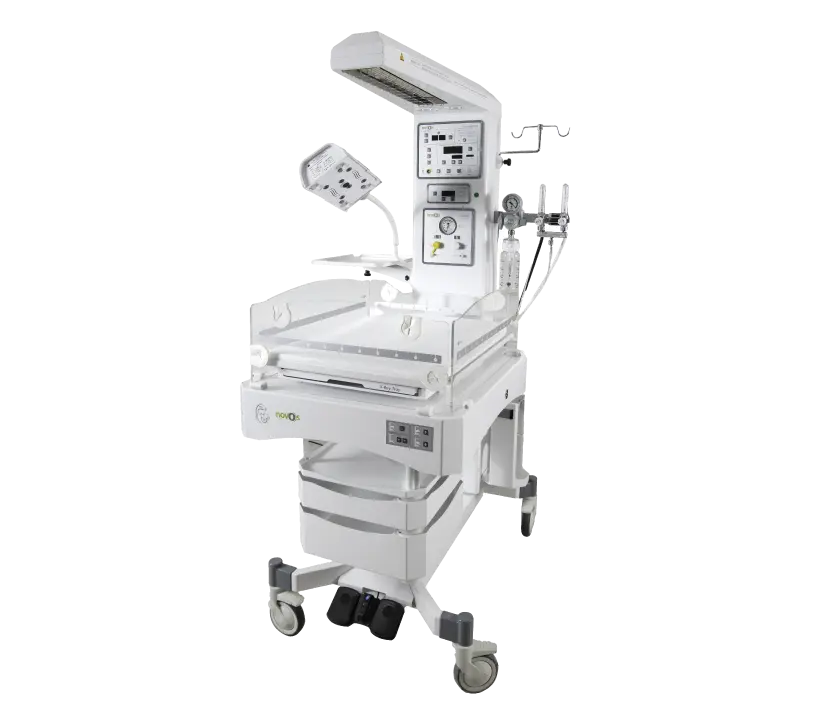
KR 1000: Holistic Thermal Management in Neonatal Care
Heat therapy is a form of “balance management.” While uncontrolled heating carries risks of dehydration, tachycardia, and metabolic stress, the KR 1000 is designed to stabilize this balance with the utmost precision.
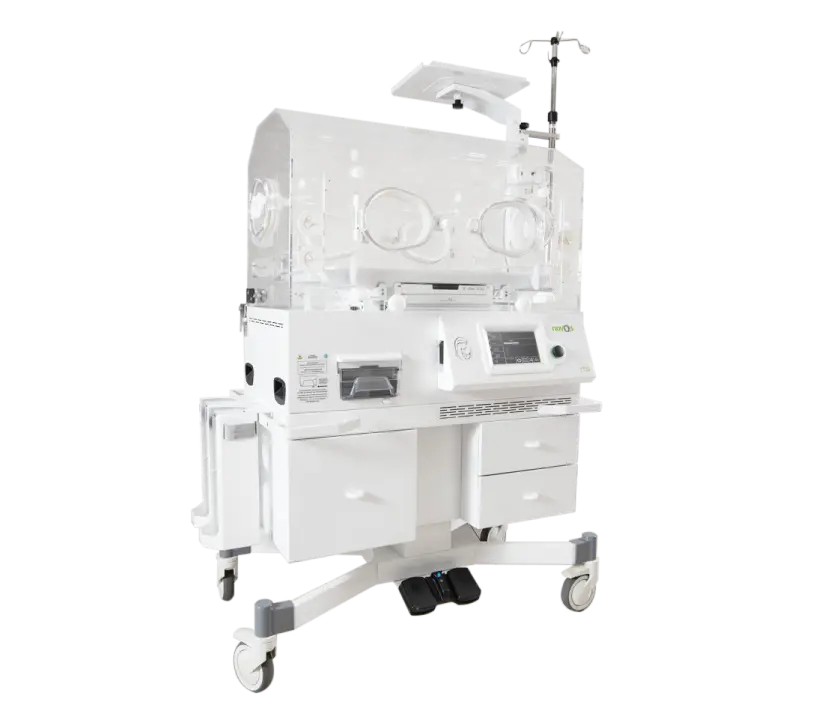
KI 1000: A Living Space Optimized for Newborns
The KI 1000 provides a stable, enclosed microclimate environment where temperature, humidity, and oxygen levels are perfectly stabilized for the most vulnerable patients. This controlled ecosystem continuously provides the ideal conditions necessary for the baby’s development.
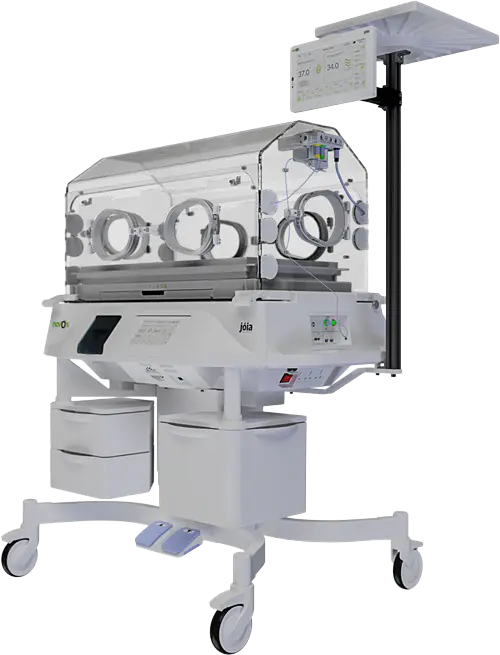
The Future Starts Now: Are You Ready to Meet Joia?